Kitten Care
The CatDaily survival guide for tiny chaos
Kittens need warmth, safety, nutrition, vet care, play, sleep, and patient humans who understand that “adorable” and “reckless” can happen at the same time.
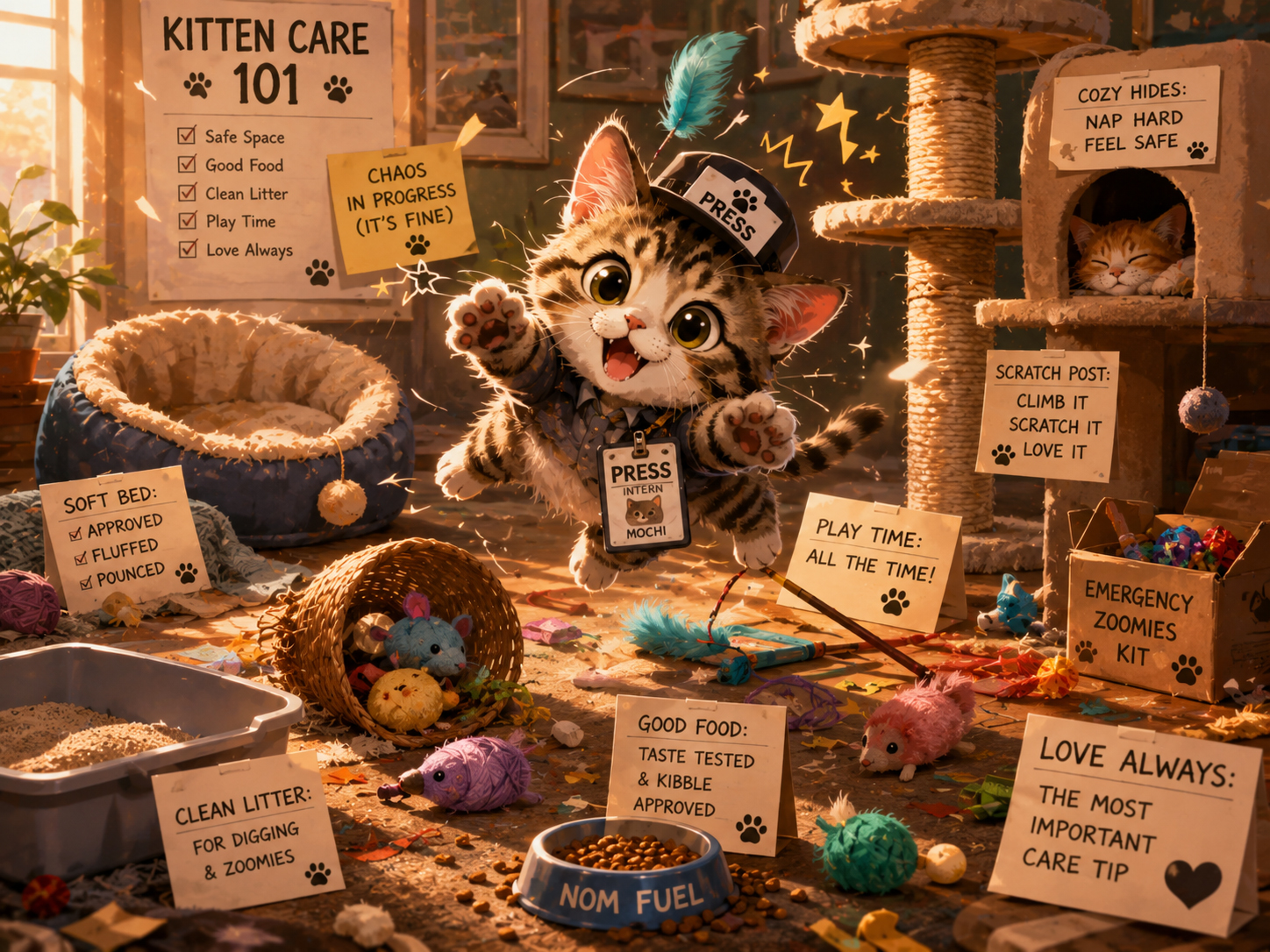
The big idea: kittens need structure before freedom
A new kitten should not immediately receive full access to every room, wire, cabinet, staircase, plant, blind cord, and mystery gap behind the washing machine. Start with a safe, kitten-proof area where food, water, litter, bed, toys, and hiding places are easy to find.
Mochi the Intern calls this “base camp.” Editor Whiskers calls it “preventing the intern from filing herself behind the refrigerator.”
The CatDaily kitten checklist
| Need | Good Human Practice | Kitten Translation |
|---|---|---|
| Safe space | Begin in a small, kitten-proof room or area. | The chaos laboratory has walls. |
| Food | Use age-appropriate kitten food and follow vet guidance. | Tiny engine requires premium zoomie fuel. |
| Water | Keep clean water available at all times. | Hydration station must pass paw inspection. |
| Litter | Use an easy-access box in a quiet location. | Public works department begins early. |
| Sleep | Provide warm, soft, quiet resting spots. | Growth requires dramatic napping. |
| Play | Offer safe toys and daily interactive play. | Everything is training for becoming a house tiger. |
Food: tiny body, serious fuel
Kittens grow quickly and need food designed for kitten growth. Adult-cat food is not always appropriate for a young kitten’s needs. Feeding schedules and amounts depend on the kitten’s age, size, health, and veterinary advice.
Avoid sudden food changes when possible. If changing food, gradual transitions are usually easier on digestion unless a veterinarian gives different instructions.

Water: the quiet bowl that matters
Keep fresh water available in a shallow, clean bowl. Some kittens learn quickly. Some step in the bowl, look surprised, and blame the bowl. That is normal newsroom behavior.
Watch for dehydration, weakness, diarrhea, vomiting, or a kitten who does not seem interested in eating or drinking. Small kittens can decline faster than adult cats.
Litter training: the mayor starts young
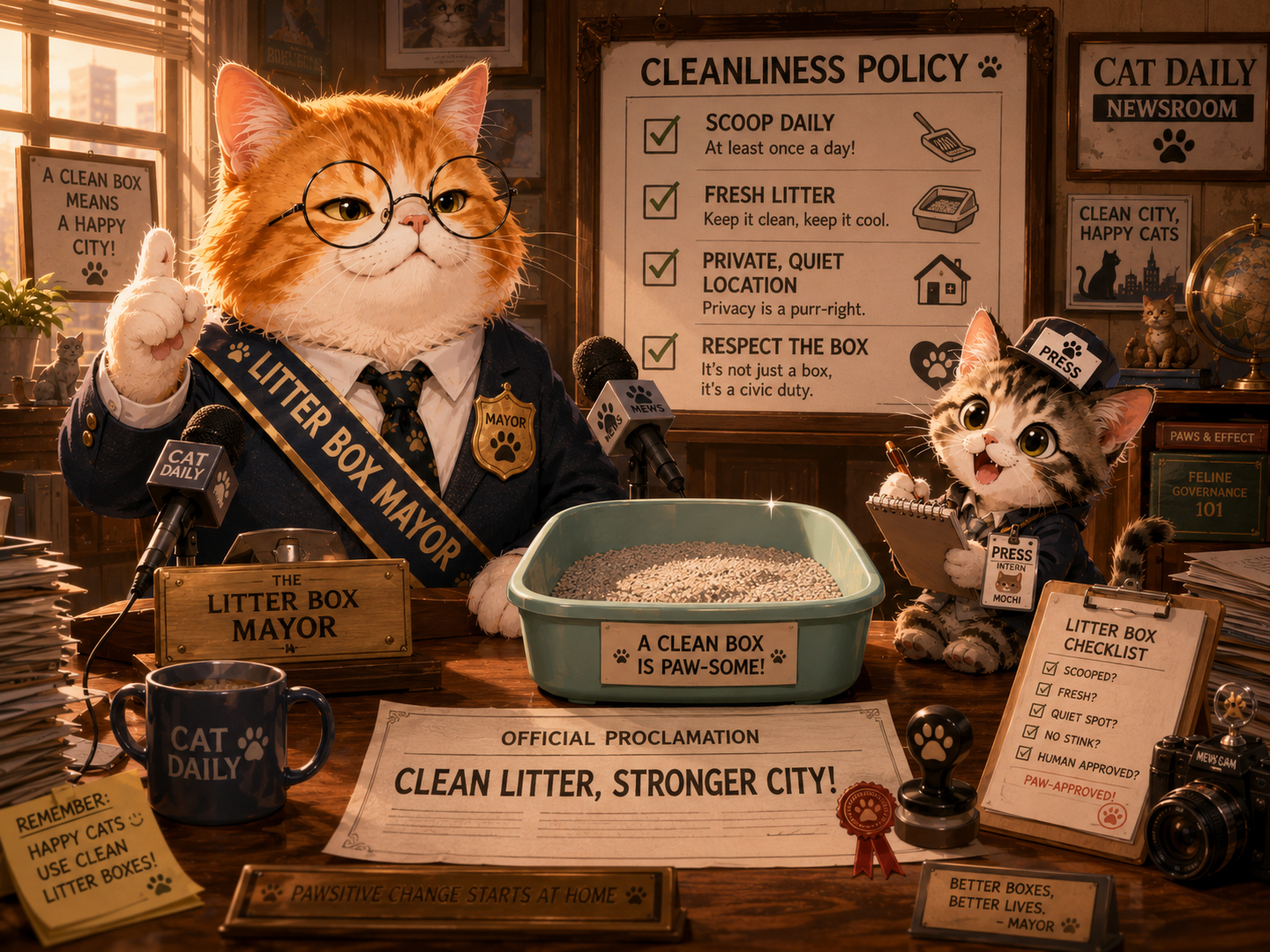
Many kittens learn litter-box habits naturally, but they still need help: a box with low sides, easy access, a quiet location, and regular cleaning. Keep the box close during the early adjustment period so the kitten does not have to cross an entire kingdom to find it.
Accidents can happen. Clean calmly, avoid punishment, and look for practical causes: box too far away, hard to enter, too dirty, too noisy, or health-related concerns.
Kitten-proofing: assume everything is interesting
Kittens explore with paws, teeth, speed, and poor judgment. Secure cords, strings, rubber bands, small objects, medications, toxic plants, cleaning products, plastic bags, recliners, open toilets, balconies, screens, fireplaces, and hiding gaps.
A kitten can disappear into a space that appears physically impossible. This is not magic. It is kitten engineering.
Play: hunting practice without the actual crime
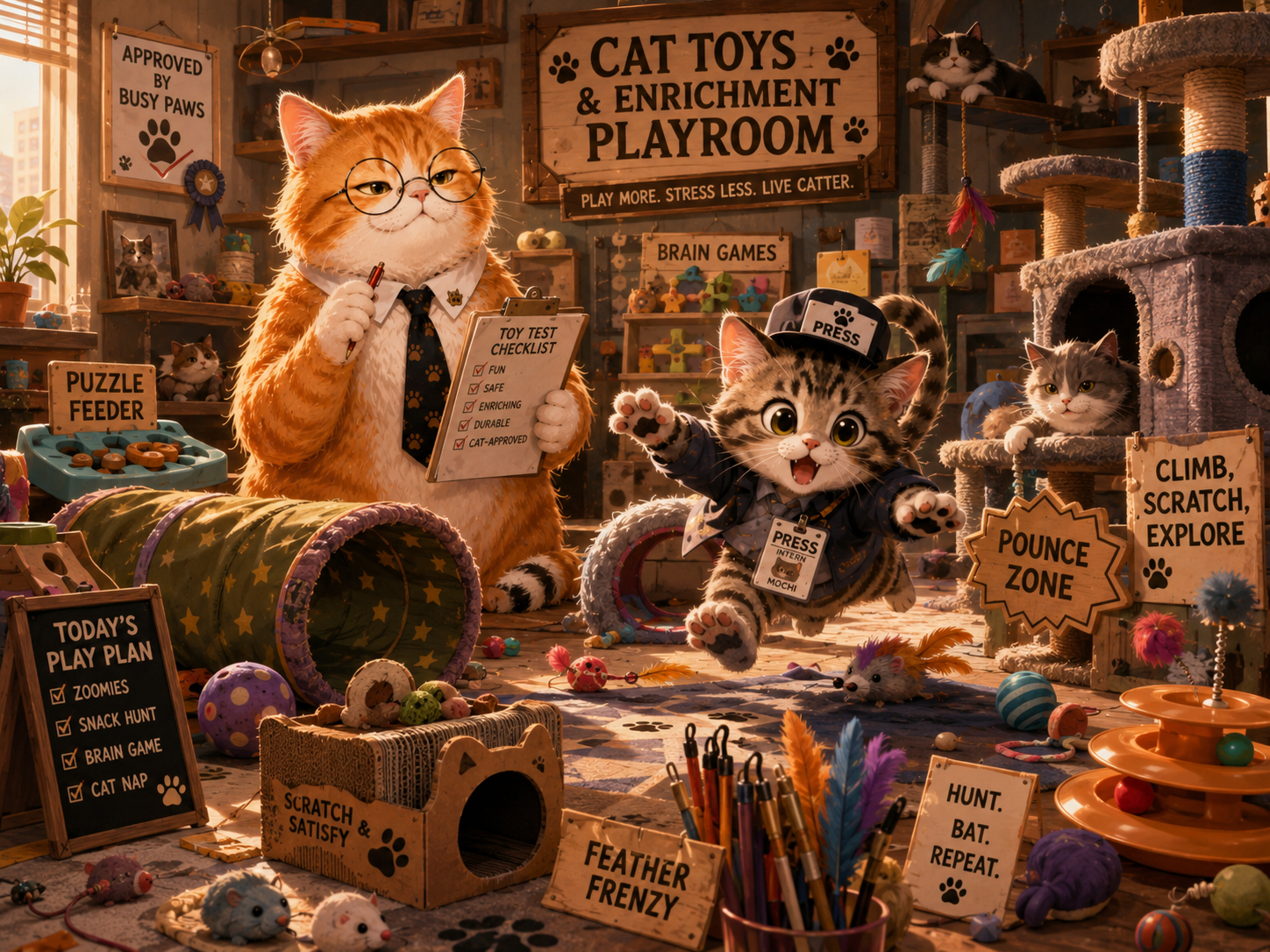
Kittens need play to learn coordination, confidence, and normal cat behavior. Use wand toys, balls, soft toys, tunnels, puzzle feeders, safe climbing options, and scratching posts. Rotate toys so the playroom remains interesting.
Avoid using hands as toys. A tiny kitten bite may be adorable today, but future Adult Mochi with upgraded teeth will assume your fingers are still official prey.
Sleep: growth work in fluffy disguise
Kittens play hard and sleep hard. Provide warm, soft, quiet sleeping spots where the kitten will not be constantly disturbed. Sleep is part of healthy growth.
Mochi may pass out mid-mission. Do not be fooled. The next shift begins suddenly.
Socialization: gentle experiences, not forced introductions
Kittens benefit from calm, positive handling and exposure to normal household life. Keep experiences gentle and gradual. Let the kitten retreat. Reward confidence. Avoid overwhelming the kitten with too many people, pets, noises, or rooms at once.
With children, teach gentle hands, quiet voices, and respect for the kitten’s choice to leave. A kitten is not a stuffed animal with legal obligations to be cuddled.
Introductions to other pets
Introductions should be slow, supervised, and scent-aware. Do not drop a kitten into the middle of an adult cat’s established kingdom and hope diplomacy happens automatically.
Use separation, scent swapping, short positive sessions, safe retreat options, and patience. The goal is calm curiosity, not a dramatic hallway summit.
Veterinary care: the early relationship matters
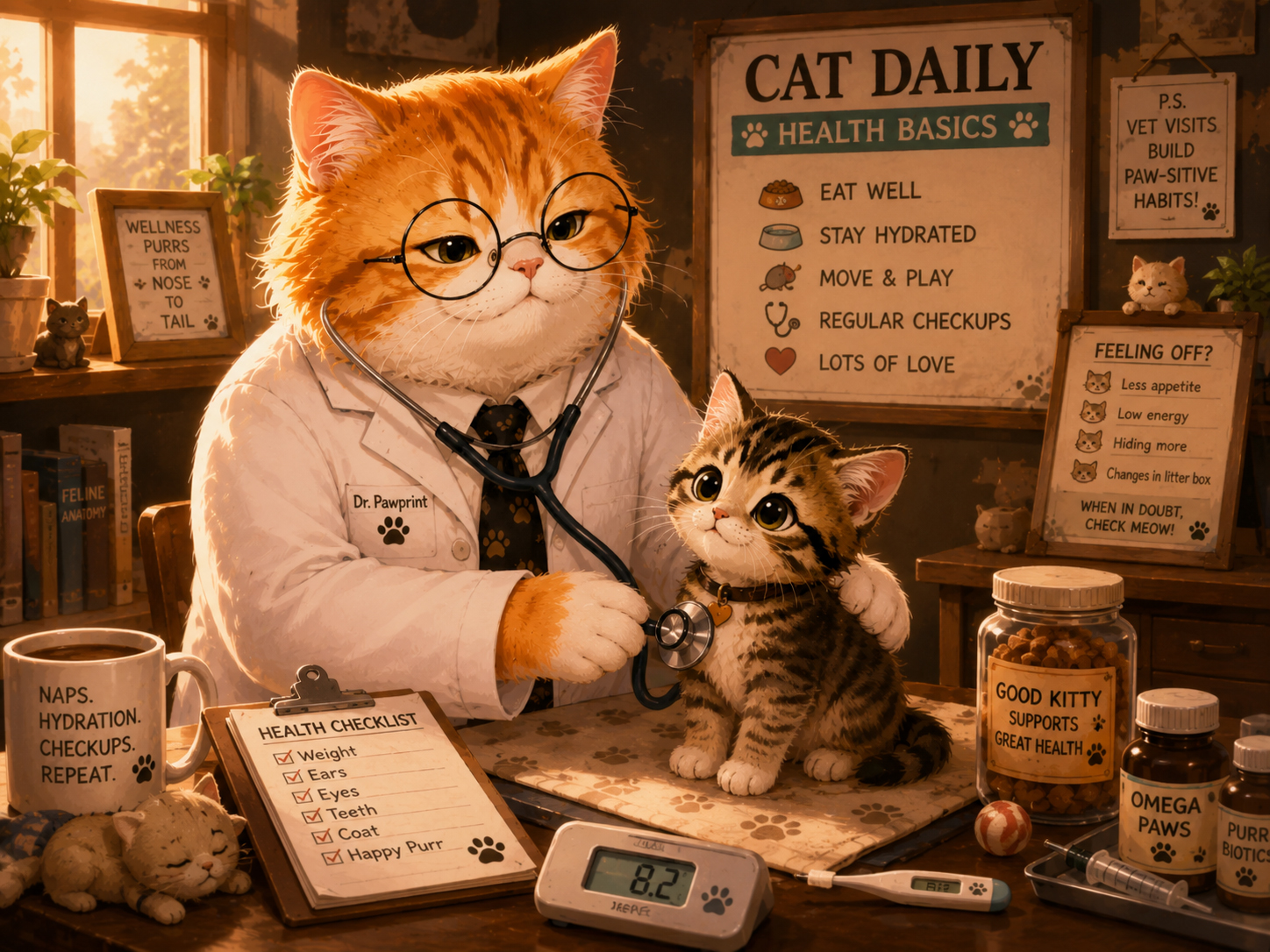
A veterinarian can guide vaccinations, parasite prevention, spay/neuter timing, nutrition, growth, behavior, and health concerns. Early visits also help build a health baseline.
When kitten behavior is not just kitten behavior
Kittens are naturally energetic, silly, and dramatic. But serious changes matter. A kitten who becomes unusually quiet, weak, cold, refuses food, has diarrhea, vomits, struggles to breathe, cries constantly, or seems painful needs prompt veterinary attention.
Mochi’s official kitten-care departments
Start small and safe
Use a kitten-proof room with food, water, litter, bed, toys, scratcher, and cozy hiding spots.
Feed for growth
Choose age-appropriate kitten food and ask a veterinarian about amount, schedule, and health needs.
Teach through play
Use toys, not hands. Encourage pouncing, climbing, scratching, and confidence in safe ways.
Protect sleep
Kittens need rest. A sleeping kitten is not broken. It is downloading more chaos.
Closing report: enjoy the tiny tornado
Kittenhood is short, loud, ridiculous, and precious. Build safety first, support growth, create good routines, reward gentle behavior, and let the kitten become confident without turning the house into a hazard course.
Mochi the Intern’s final advice: provide the toy, protect the nap, respect the litter box, hide the cords, and never underestimate a creature that can fit inside a slipper and still run the household.