CatDaily Manga Episode
Episode 6: The Vet Visit Negotiation
A newsroom comedy about carriers, checkups, health baselines, appetite clues, litter-box records, and the ancient feline art of refusing to enter a perfectly reasonable container.
Scene 1: The carrier appears
It begins with a sound no cat trusts: the closet door opening.
The human pulls out the carrier. The newsroom goes silent.
Mochi the Intern drops her pencil. Madame Tuna places one paw over her pearls. Editor Whiskers narrows his eyes.
The human says, “It is just a checkup.”
Editor Whiskers replies, “Then why does it have a door?”
Scene 2: Emergency treaty session
The cats call a meeting. The carrier sits in the middle of the room like a diplomatic crisis with ventilation holes.
Madame Tuna opens negotiations.
“We require snack compensation, soft bedding, no sudden shoving, and official recognition that the carrier is suspicious.”
Mochi raises a paw. “Can we call it a Mobile Newsroom?”
Editor Whiskers considers this. “Better branding. Still suspicious.”
Scene 3: Dr. Pawprint explains the mission
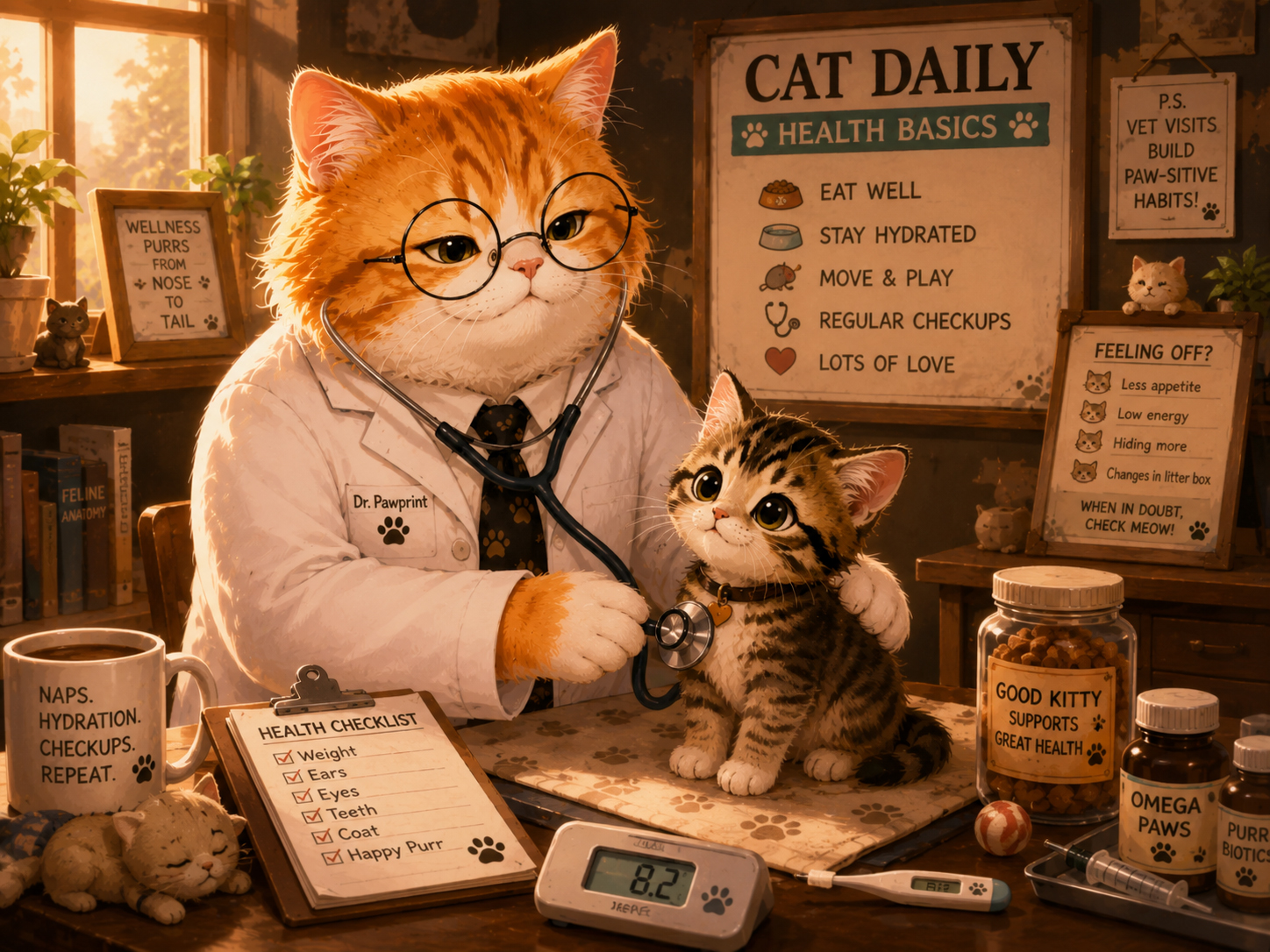
Dr. Pawprint enters carrying a clipboard and a calm expression.
“A vet visit is not punishment,” says Dr. Pawprint. “It helps check weight, teeth, coat, ears, eyes, heart, behavior, appetite, litter-box changes, and the hidden clues cats do not write in English.”
Mochi whispers, “What about clues written in pawprints?”
“Those too,” says Dr. Pawprint.
Scene 4: The carrier rebrand
Professor Purr joins the meeting and writes on the board:
“Leave it out sometimes,” he says. “Put a soft blanket inside. Add treats. Let the cat investigate when nothing scary happens. A carrier should not only appear five minutes before betrayal.”
Mochi climbs halfway inside the carrier, backwards.
“I am testing the office layout,” she says.
Editor Whiskers looks in. “Needs a desk.”
Scene 5: The real lesson
Cats often dislike carriers because carriers are unfamiliar, suddenly appear, and lead to travel. But making the carrier part of normal life can help. Leave it out, keep it comfortable, reward exploration, and avoid turning loading time into a chase scene.
A calm carrier routine can make veterinary care less stressful for cats and humans. It also protects the cat during travel. A loose cat in a car is unsafe for everyone.
The CatDaily Vet Visit Treaty
| Issue | Cat Concern | Human Strategy |
|---|---|---|
| Carrier fear | The suspicious box only appears before bad news. | Leave the carrier out sometimes with bedding and treats. |
| Loading panic | The human is suddenly chasing like a clumsy predator. | Practice calmly and avoid last-minute wrestling. |
| Car travel | The world moves and makes engine noises. | Use a secure carrier and keep the trip calm and direct. |
| Exam anxiety | New smells, sounds, surfaces, and strangers. | Bring helpful history and ask the vet about stress-reduction options. |
| Health clues | The cat has not filled out paperwork. | Report appetite, water, litter-box, behavior, weight, and energy changes. |
Scene 6: The health evidence file
Dr. Pawprint asks the newsroom for records.
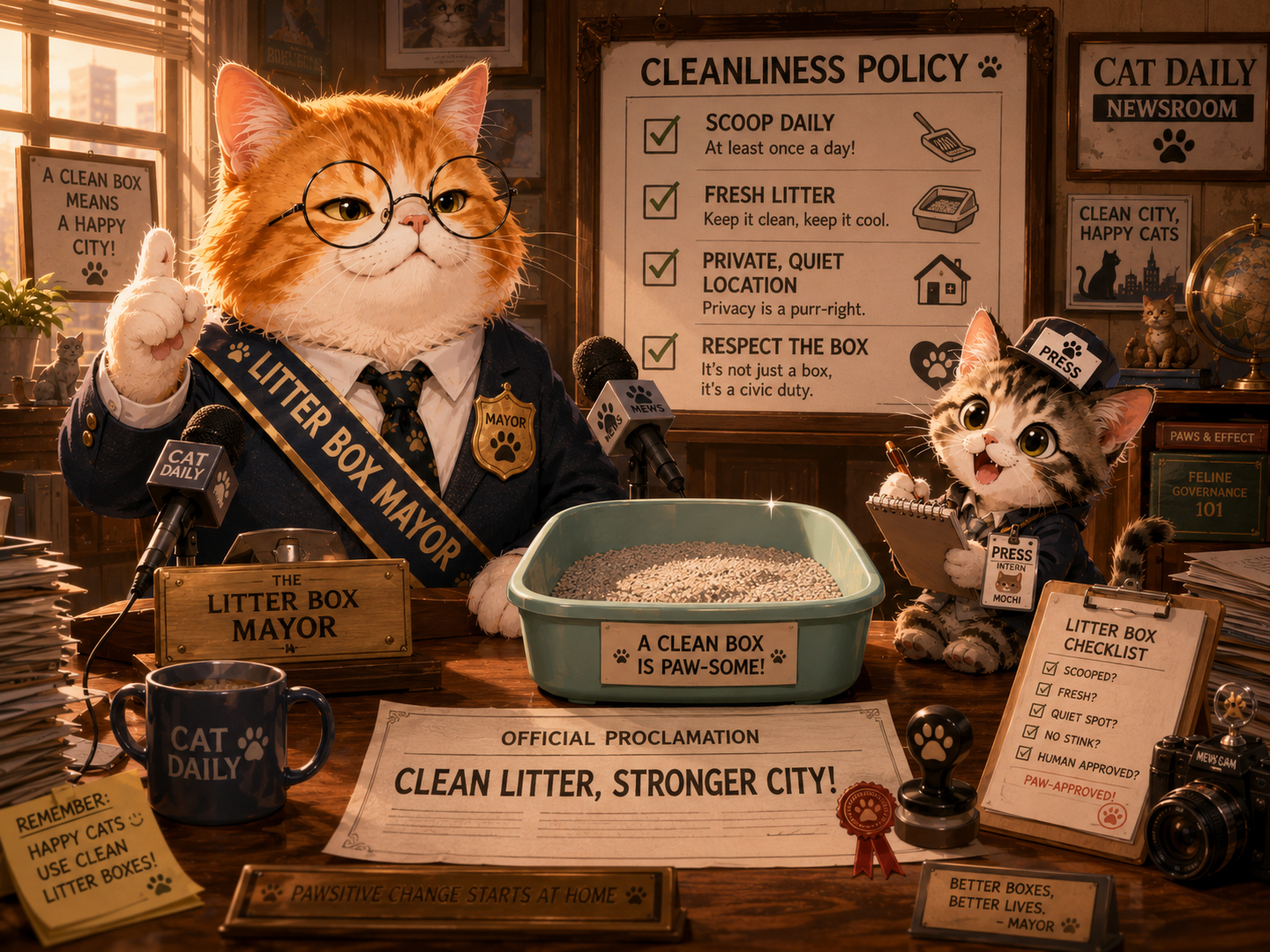
The Litter Box Mayor brings a clipboard. Madame Tuna brings the food journal. Professor Purr brings behavior notes. Mochi brings a crumpled paper that says “Bird at window, very suspicious.”
Dr. Pawprint smiles. “This is actually useful. The veterinarian needs patterns.”
Helpful information can include:
- Changes in appetite or thirst.
- Weight changes.
- Litter-box frequency, stool, urine, accidents, or straining.
- Vomiting, coughing, sneezing, or breathing changes.
- Mobility, jumping, grooming, or pain signs.
- Behavior changes, hiding, aggression, or confusion.
- Food, medication, supplement, and treat details.
Scene 7: Madame Tuna’s compensation package
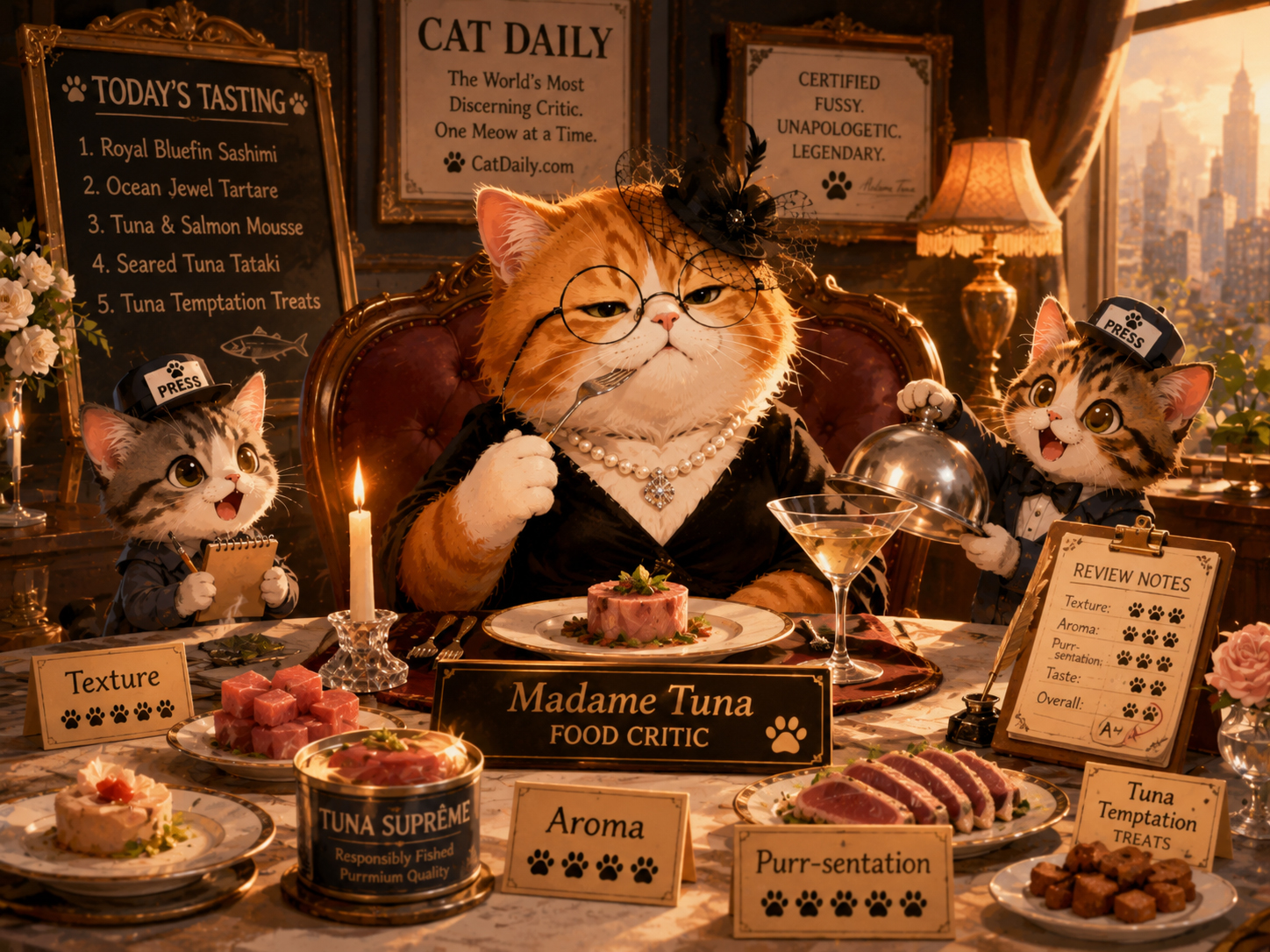
Madame Tuna reviews the proposed post-visit compensation.
“I see one treat.”
The human nods.
“One treat does not restore emotional balance after medical democracy,” Madame Tuna says.
Dr. Pawprint gently clarifies that treats should be modest and appropriate. Madame Tuna files an appeal.
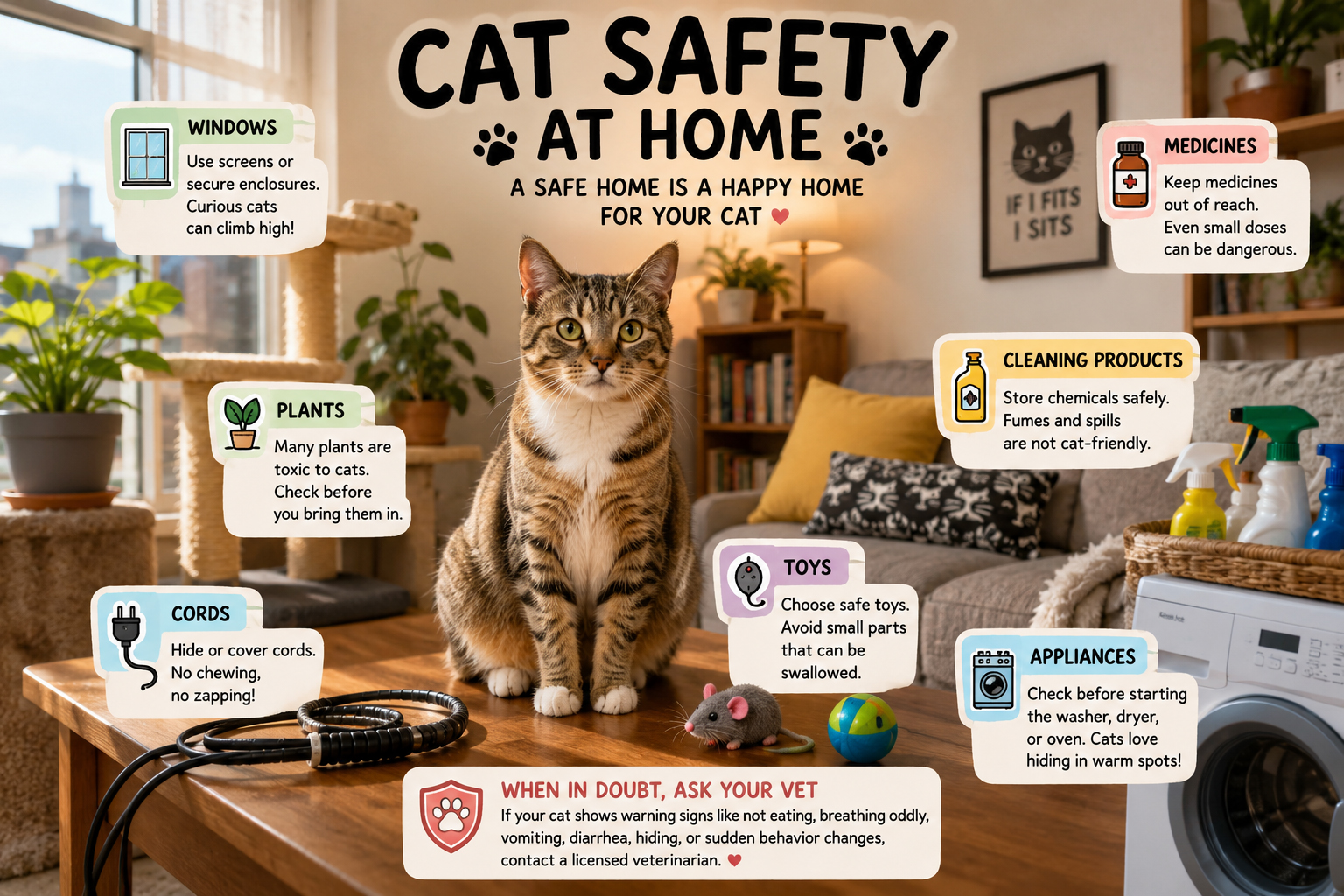
Health desk: when not to wait for a routine visit
Regular checkups are helpful, but some signs should not wait. If a cat is struggling to breathe, unable to urinate, repeatedly vomiting, collapsing, injured, not eating, severely weak, or acting seriously ill, contact a veterinarian or emergency clinic promptly.
Scene 8: Departure
The human places a soft towel inside the carrier. Mochi climbs in voluntarily, then climbs out, then climbs in again to check the acoustics.
Editor Whiskers enters last, slowly and with great ceremony.
“For the record,” he says, “I am not trapped. I am traveling under protest.”
The carrier door closes gently.
Mochi whispers, “Mobile Newsroom is moving.”
The CatDaily headline goes live:
Mochi’s vet-visit preparation checklist
Make it familiar
Leave it out sometimes, add bedding, and reward calm investigation before appointment day.
Bring the clues
Appetite, water, litter-box, behavior, weight, medication, and food details help the vet.
Secure the cat
Use a carrier for travel. A loose cat in a car is not freedom. It is a safety problem.
Let the cat decompress
Offer quiet, water, litter access, and gentle reassurance. Save the parade for later.
Episode takeaway
Vet visits can be stressful, but they are part of responsible cat care. Carriers can become less scary when they are familiar. Health clues are easier to discuss when humans pay attention before the appointment.
CatDaily’s final negotiation terms: prepare the carrier, bring good information, keep travel secure, ask the veterinarian questions, and remember that the cat may object formally while still benefiting greatly.